photography, robots, drawings, and other "art"

Circles
April 5th, 2016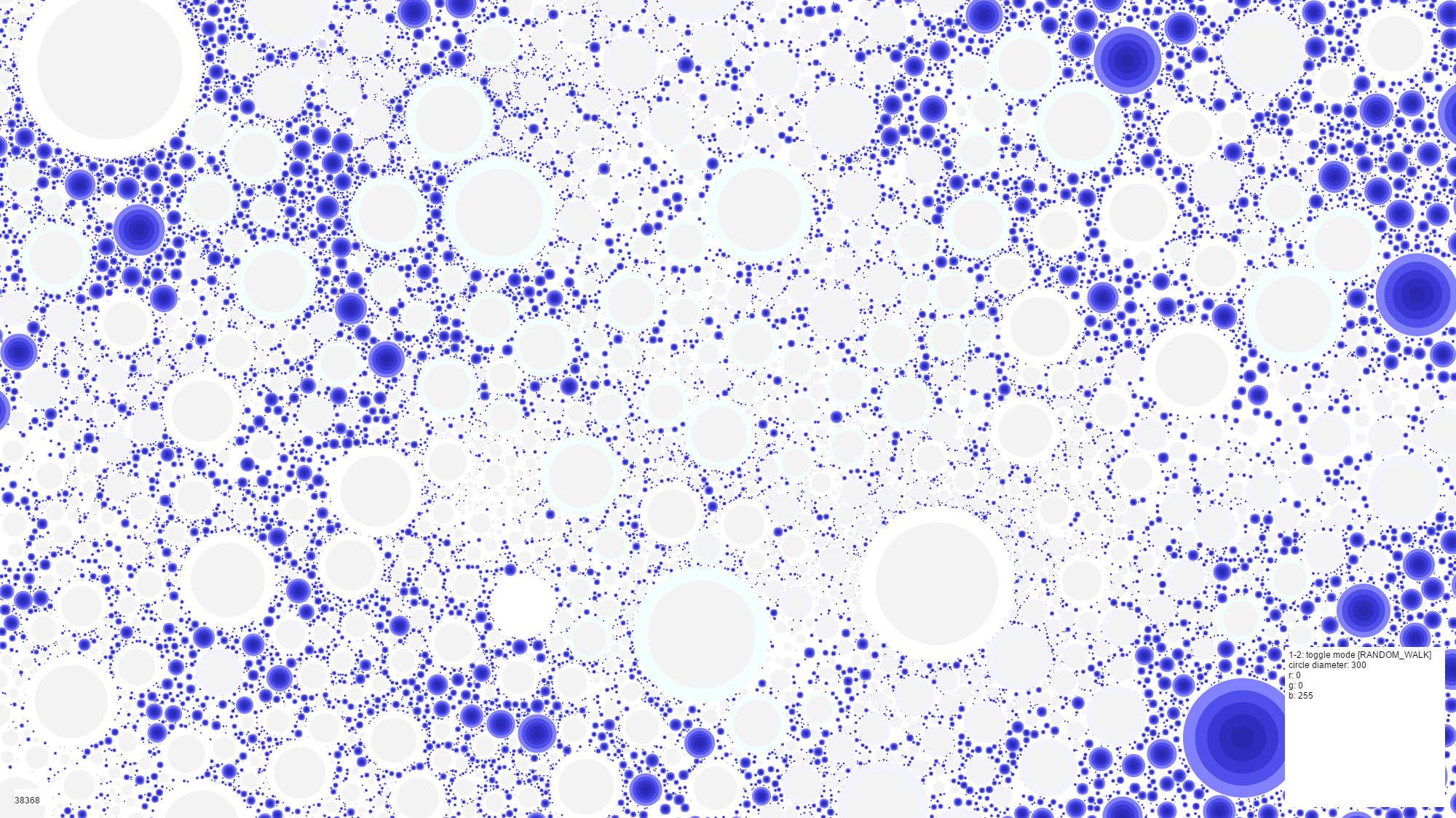
I wrote a little interactive web app that allows me to generate this piece of patterns and colors. You can try it out for yourself here.
My notes on salary and equity
May 29th, 2015Managing is about making decisions quickly and more importantly, correctly. Every decision I need to make, I can discuss with my team except for determining their salary and equity numbers which is a solo endeavor. This makes it all the more important as a VPE or manager that you get this process right to do justice to your team. It all comes down to benchmarking, a salary/equity formula, and logistics. Here are my notes.
Research benchmarks to determine bands. Here are some resources I’ve found useful:
- Codingvc
- Option Driver
- Triplebyte
- Levels.fyi
- Ask your investors for benchmark data of companies in their portfolio.
The best resources are the ones that can sort by company size, stage, location, discipline, etc. Startups can not and should not compete with big cats like Google or Facebook. Most resources only talk about software engineering but Option Driver for example also tracks hardware engineering.
Decide on a formula to be clear to yourself on what you find important rather than just straight away making a discretionary judgment call. This makes discussion easier with your reports, let’s you give some amount of transparency in the process, and makes you more objective. I like Buffer’s formula: Salary = job type X seniority X experience. They provide a good explanation here.
Establish and communicate clear logistics to have this be the smallest distraction possible in your team. This is a company-wide decision and I’ve been part of both focal and anniversary based processes. Focal is where you review everyone at one time rather than at everyone’s anniversary date. I strongly prefer focal so you can batch process and only have to think about salaries once or twice a year rather than many times a year. This also makes it fairer because management tends to be more generous when we’re doing well and we tighten up our purses when we’re facing a short runway. Some writing on this here and how to deal with the edge case when someone starts right before the review date when doing focal.
Buffer has an open salary policy. That’s pretty progressive. My gut tells me that it introduces more distraction than it is worth and sometimes you do need to make an exception to make that crucial hire at the right time. I put the burden on myself to be fair between team members by doing my homework and with a rule of thumb that I won’t be embarrassed and can justify the numbers in the hypothetical situation that they are leaked.
You can’t really make everybody happy. Just try to make the protocol as fair and objective as possible. In the end, if you’ve really thought this through, you can be confident and firm and don’t need to do much negotiating. Negotiating is a distraction and talented engineers don’t have a lot of patience for negotiating. So if you find yourself spending a lot of time negotiating you’re doing it at the disservice of those talented engineers that don’t. Be willing to let people walk away because they are not happy with their numbers. Even if it’s over as small an amount as $5K difference or 0.001% equity.
Moped
April 18th, 2011Michael Park introduced me to the zen of moped maintenance and helped me fix up this two stroke engine from the 1970s.
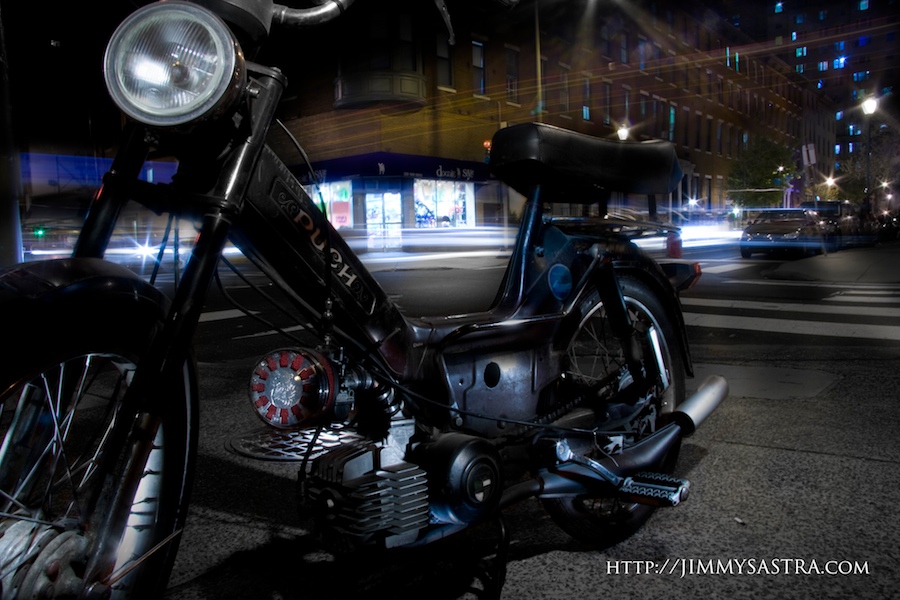
Elegance = Power / Complexity
Curly Hair
April 3rd, 2011I asked Noreen if we could push the envelope of what’s possible with hair. Falon wanted big and curly.
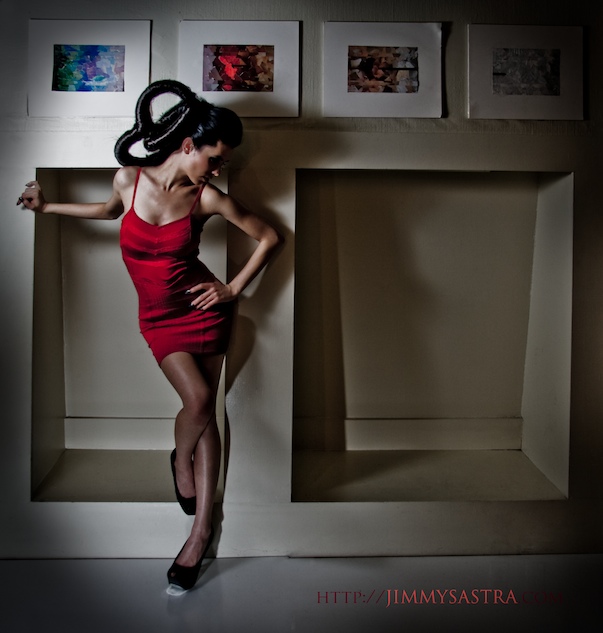
Above: Falon
Hair: Noreen Fox
Make up: Carinn Kanaki
Rectangular to Polar
April 2nd, 2011Take your panorama, convert from rectangular to polar coordinates, and you got yourself a little sphere world.
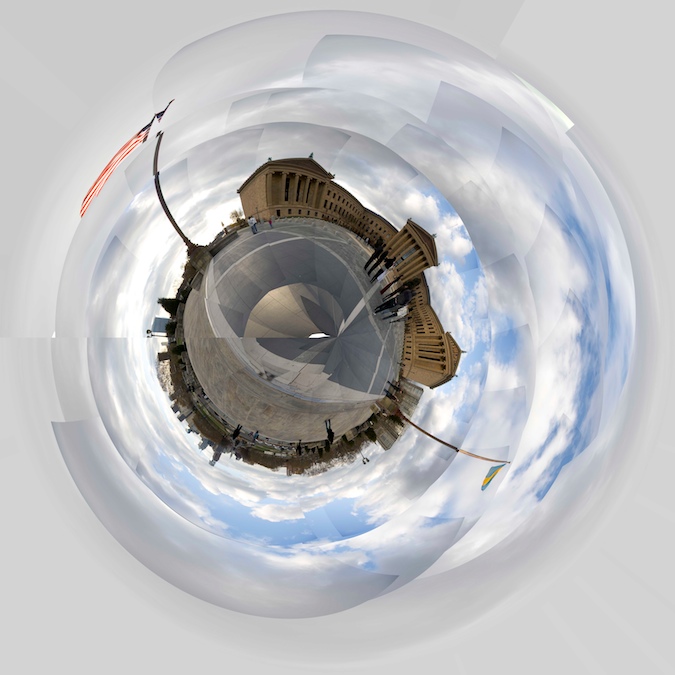
Above: Philadelphia Museum of Art
FEASTival
October 15th, 2010I photographed the FEASTival, as part of the live arts Fringe festival this year. It invites the big shots of Philadelphia’s restaurant scene to set up tables. I got to meet Stephen Starr, Jose Garces, Michael Solomonov etc. Mayor Nutter and Ed Rendell were also present for me to snap some shots of. Besides all these famous people and delicious food though, what I enjoyed was the performers on the ceiling hanging on wires dancing above the crowd.

one second film, two hour photo
September 1st, 2010This is a concept that has been in my head for a long time and I’ve finally managed to try it out. To capture the full sunset multiple images were composited together to form this photo. Some parts of this image show clouds during daylight, while other parts show high-rises late in the night. No longer do my photos capture only a fraction of a second. This image was made over the course of a couple hours.
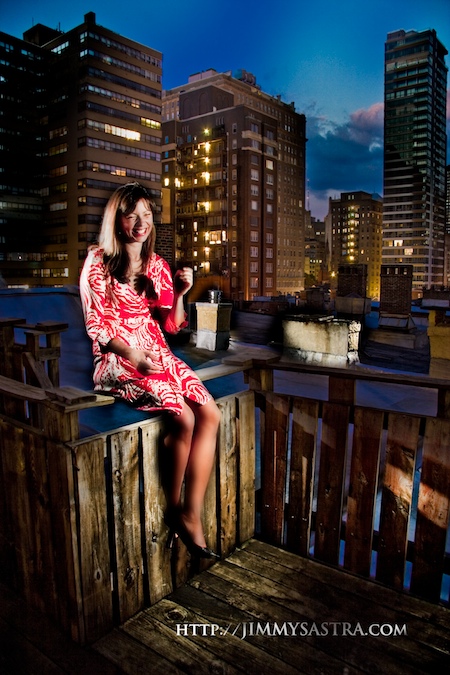
Above: Amelie Boquoi
Cookie
July 8th, 2010A cookie in photography is short for cookaloris. It’s a technique where you shoot your flash through something with holes so the light that goes through creates a textured shadow. For example you can aim your light source at a piece of plywood, that has a bunch of random cut holes like this. Instead of an evenly lit background you can achieve a more varied image with shadows and highlights.
I like to use natural light as much as I can. In this one I’ve consciously used the shadows created by the sun coming through the trees as basically a gigantic cookie. Highlights and shadows create a patterned texture on the grass adding lots of depth to this photo. The red and green make for a great contrast. Flashes coming in from left and right, both at 1/2 power. One light to highlight Falon’s wavy hair and another one to create a rim light on her long legs.

Above: Falon
Warehouse
May 18th, 2010It’s fun to shoot in old warehouses. You can walk around and discover cool little spots to photograph everywhere. We’re in front of an old freight elevator here which I thought would make a great backdrop.
I like the way the light falls on Amber’s hair. A little more than just a rim light, but not too much and some shadows are being cast on her face. Speedlites camera left and right. I forget what settings. Oops!
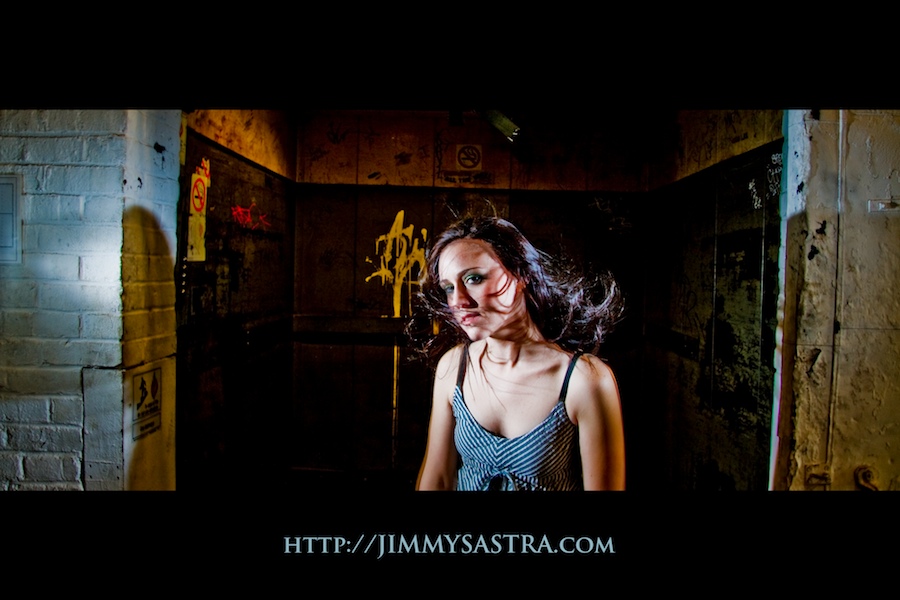
Above: Amber Curia
Categories
- Career (4)
- Design (1)
- Drawing (2)
- Exercise (1)
- How-to-startup (4)
- Machine Learning (1)
- Photography (36)
- Robot (8)
- Urban Exploration (8)
- Web doodling (2)
- xplr (2)
Archives
- 12/06/2020 : Office layouts
- 05/06/2020 : Cross tribe mentality
- 25/05/2020 : How to leave your company
- 27/04/2020 : Running for the cure
- 12/01/2020 : A machine learning based clock
- 29/12/2019 : Next chapter for Jimmy and Transcriptic/Strateos
- 26/05/2019 : Reflecting on how much easier it is to take a panorama compared to 10 years ago
- 13/09/2016 : Robot sketches
- 13/09/2016 : Landscape sketches
- 30/05/2016 : Random Walkers
- 08/05/2016 : Waves
- 05/04/2016 : Circles
- 29/05/2015 : My notes on salary and equity
- 18/04/2011 : Moped
- 03/04/2011 : Curly Hair
- 02/04/2011 : Rectangular to Polar
- 15/10/2010 : FEASTival
- 01/09/2010 : one second film, two hour photo
- 08/07/2010 : Cookie
- 18/05/2010 : Warehouse
- 10/05/2010 : The Robot Etudes
- 10/03/2010 : Private Show
- 07/01/2010 : The Sastras
- 07/12/2009 : kids always steal the show
- 24/11/2009 : Slow and steady sunset
- 12/11/2009 : Mechanical Volleyball
- 20/10/2009 : Pain for Gain
- 08/10/2009 : Snoot Portrait
- 26/08/2009 : makin’ it
- 22/08/2009 : Paul Vernaza
- 19/08/2009 : Saturation Mask
- 17/08/2009 : Lens Flare
- 16/08/2009 : Smooth Creamy Skin
- 16/08/2009 : A modular robot that is in the New York Times
- 21/06/2009 : Happier Happy Hour
- 21/06/2009 : Happier
- 07/06/2009 : Pogo
- 06/06/2009 : Casa Farnese
- 11/05/2009 : Devil’s Alley
- 08/05/2009 : Table 31
- 30/04/2009 : Haptics Open House
- 27/04/2009 : Wedding photography
- 06/03/2009 : Techfest
- 17/01/2009 : XPLR Art Jump!
- 28/12/2008 : 222 Gallery Group Show Opening
- 19/12/2008 : 222 Gallery Tonight!
- 16/12/2008 : Rooftop Movie Night
- 10/12/2008 : We are #81!
- 29/11/2008 : Mumbai
- 29/11/2008 : XPLR website revamped
- 28/09/2008 : DJ Excel
- 28/08/2008 : Pulling an office prank with CKbot
- 25/08/2008 : Sole: the underground world of sneaker culture
- 25/08/2008 : CKbot fetches Odwalla
- 24/08/2008 : Rat Accident
- 10/08/2008 : Hollywood’s Golden Age
- 10/08/2008 : Tartine
- 09/08/2008 : PR-2
- 09/08/2008 : Secret Beer Garden
- 09/08/2008 : Kal-‘ee-for-nyah